Two kinds of chimney, two kinds of top
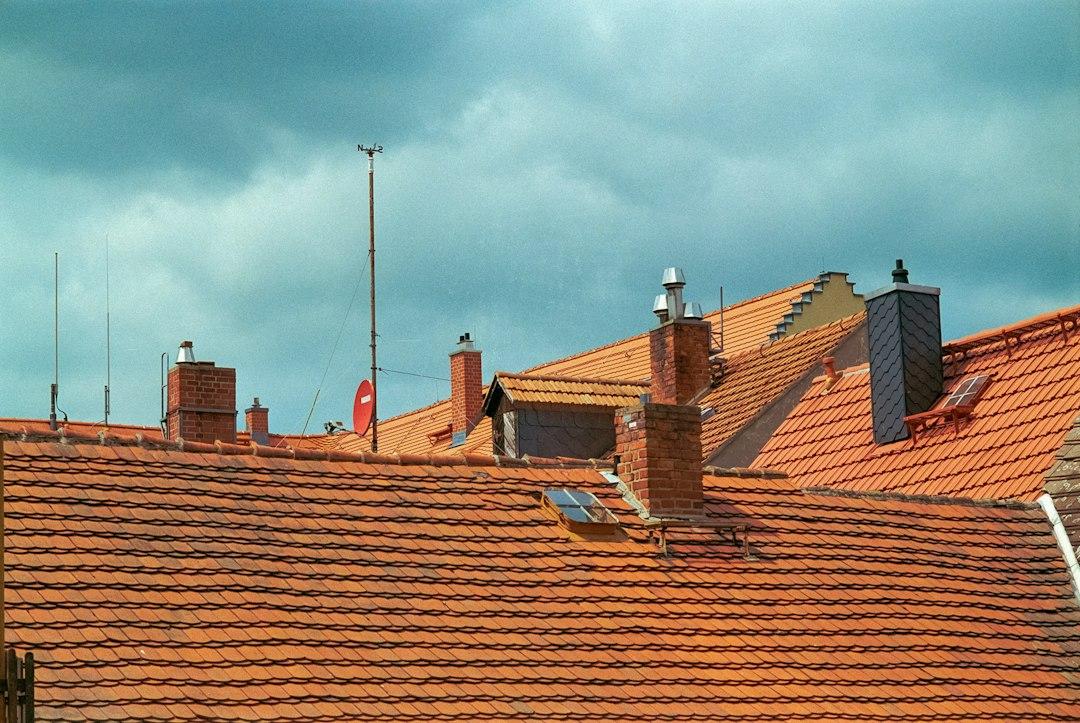
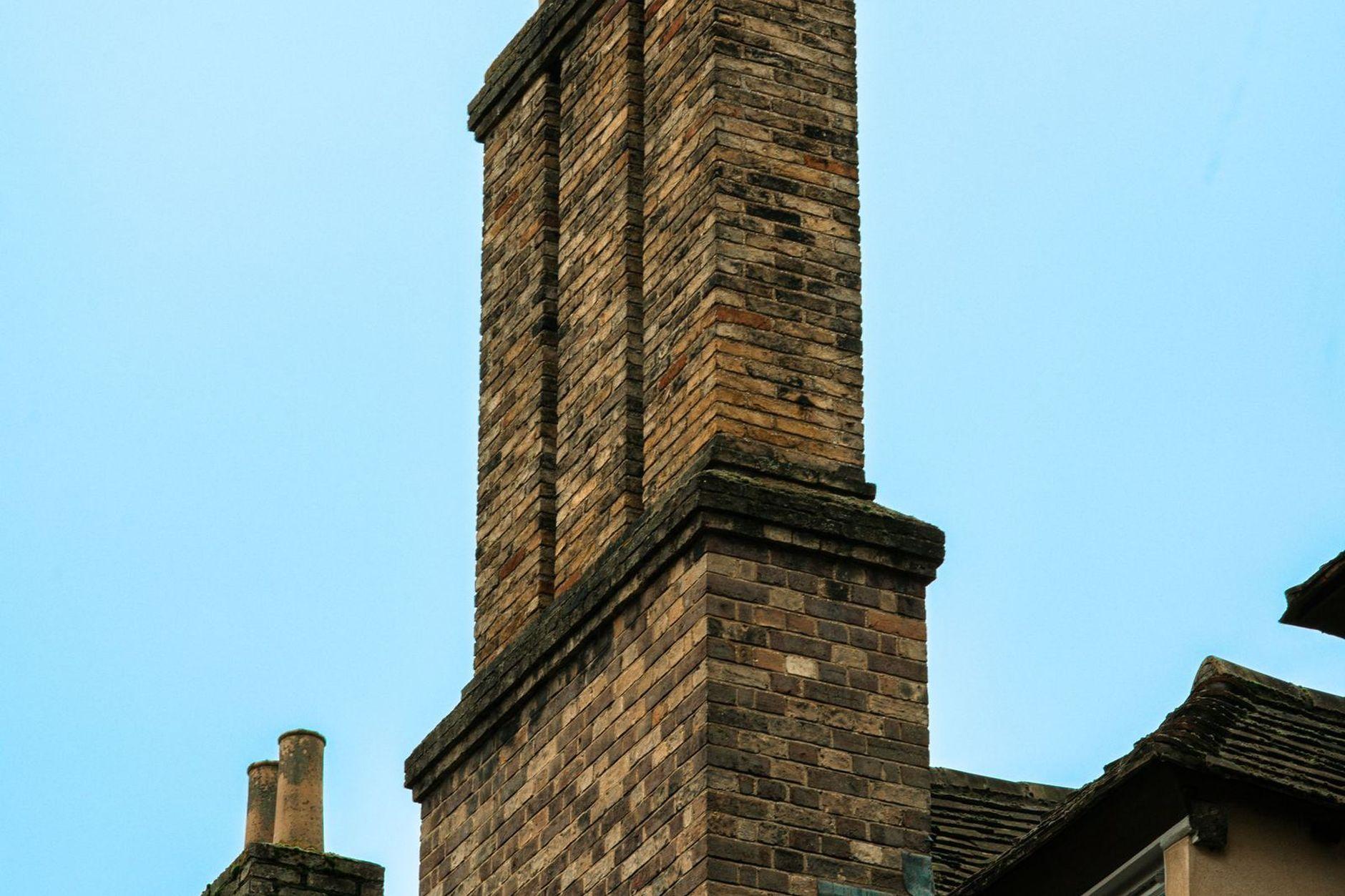
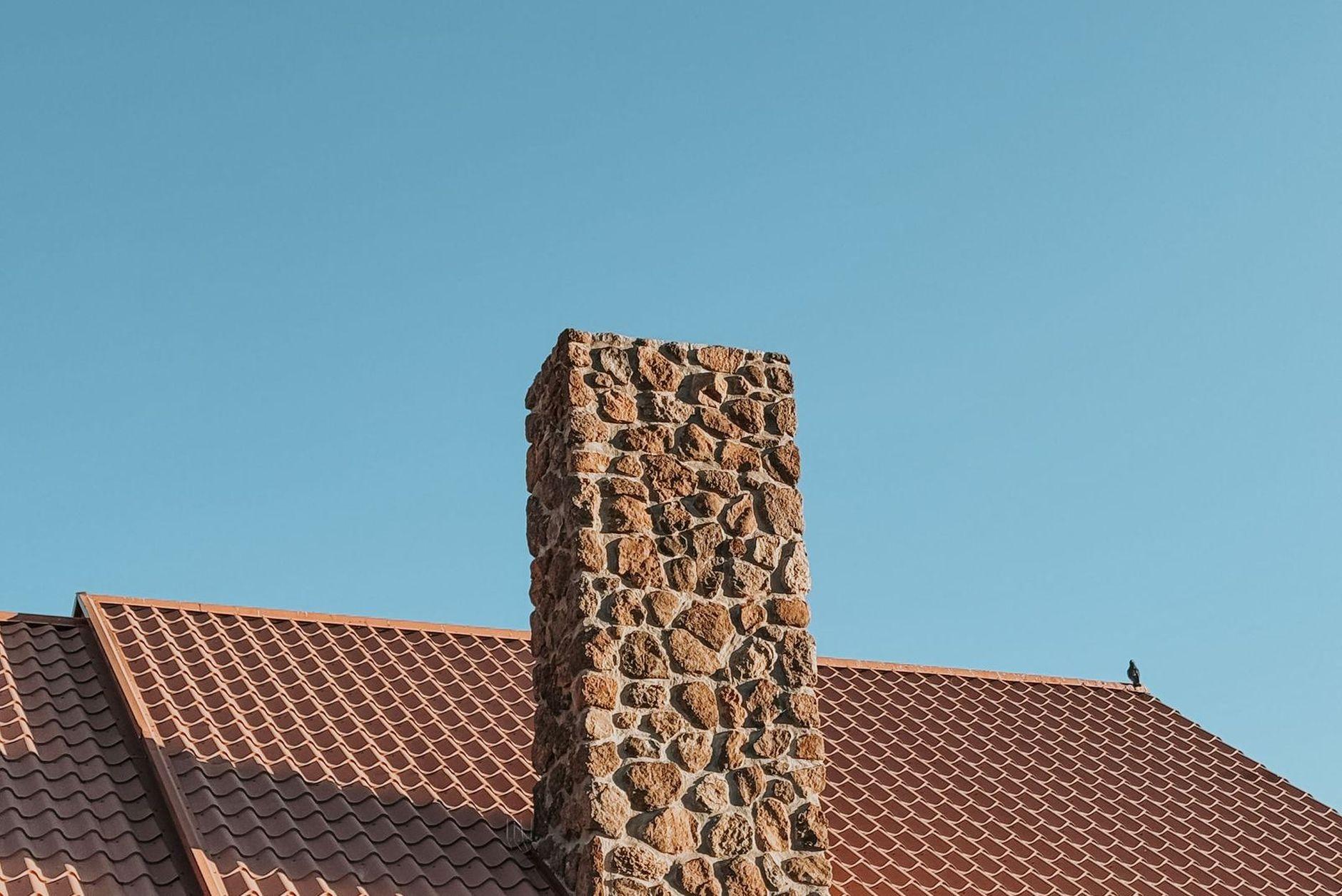
Stand in the street and look up. If the chimney is brick or stone all the way to the top, it ends in a concrete or mortar crown with a cap over the flue. If it is a box clad in the same siding or stucco as the walls, it is a framed chase, and inside it runs a metal flue pipe. That top is a sheet metal lid with a hole for the pipe, and a separate cap on the pipe.
In La Canada Flintridge we work on both. Older ranch houses mostly have brick. Additions, rebuilt houses and plenty of newer homes have a framed chase with a factory-built fireplace below. Which one sits on your roof decides what you are buying.
The cap on a brick chimney
On masonry, the cap fits over the flue tile or spans the crown. Its screen stops sparks leaving and blown debris entering. Its hood keeps rain off the flue. It is fastened to the tile or the crown so the wind cannot shift it.
With Abernathy Chimney Care a cap like this is quoted after we measure. The price follows the number of flues, the shape of the crown and the metal chosen. Our post on ember-proof chimney cap cost covers what sets it.
The lid on a framed chimney
On a framed chase, the metal lid is the roof of the box. It keeps rain and embers off the wood studs and insulation inside. The flue pipe passes up through it and wears its own cap, usually a part made by the fireplace maker.
These lids fail in a predictable way. Older ones were cut from thin galvanized sheet. Years of sun and winter rain rust them, the middle sags, and a puddle forms. Water finds the seams and the opening around the pipe and runs down onto the framing. Rust holes also let embers drop straight into a box full of wood and insulation. That is a fire path that bypasses the fireplace altogether, and it is the one we worry about most on foothill houses with a framed chimney.
Chase cover work has no published figure with us. Each lid is made for one chase: the length and width of the box, where the pipe rises, and how far the edges need to fold down. We measure, then give you the price in writing.
Side by side
| Brick chimney | Framed chase | |
|---|---|---|
| What sits on top | Crown, plus a cap over the flue | Metal lid, plus a cap on the pipe |
| Main ember risk | Sparks out of an unscreened flue | Embers through a rusted lid into the framing |
| Main water risk | Cracked crown, missing cap | Rusted lid holding a puddle |
| Our price | Cap: quoted on site | Lid: written figure after measuring |
Two mistakes we keep finding
The first is a masonry-style cap clamped onto the pipe of a factory-built chimney. That system was tested and listed with its own top, and a substitute can change how it vents. The second is a rusted lid smeared with sealant. It keeps the water out for a few months and does nothing at all about embers. Neither fixes the fire path.
The pipe cap on a factory-built chimney should be the part listed for that chimney. Where that part is still made, we fit it. Where it is not, we explain the choices before anything is ordered.
When a house has both
Some houses have a framed chase sitting on a brick base, or a brick chimney with a metal liner run down it after a relining. The top is then a mix: a crown or a lid, plus a cap on the liner. We look at what is really there and price what it needs, not what a typical chimney would need.
What we check on the same visit
Whichever top you have, we look at the rest of the chimney from the roof while we are there. On brick that means the crown, the mortar in the top courses and the metal where the chimney meets the roof. On a chase it means the siding seams, the corners of the box and any staining that hints at water already inside. If something needs work, it goes on paper as its own item. A leak traced and stopped, for instance, runs $580 to $3,500 depending on where the water gets in.
If the inside of the flue has not been seen in years, a Level 1 inspection is $57 and can go on the same visit. A Level 2 with the camera is $405.
What decides the next step
The first fact is which kind of chimney you have. If you are not sure, the outside tells us most of it: brick, stone, siding or stucco, and whether a metal pipe pokes out of the top. Use the quote form with that and the address, and we book a visit to measure. A masonry cap is quoted after we measure the flue; a chase lid gets its written price once we have the dimensions.
Why timing matters for a rusted lid
A lid that has already rusted through is letting water in every rain and embers in every wind event. It does not get better on its own, and the framing under it gets worse each winter. If yours is stained or sagging, it is a job for this year rather than next. The chimney leak repair page covers what happens if the water has already reached the framing.
Before fire season
Either top is a roof job and suits dry weather. For houses near the hills we suggest late summer, so the chimney goes into the wind months with a sound top. Book through the contact page if you live in La Canada Flintridge, Glendale, Los Angeles or Santa Clarita.
Is Your Chimney Ready for the Dry Months?
Abernathy sweeps flues, fits ember screen caps and inspects the crown and damper, with a photo report after every visit. We work from La Canada Flintridge for houses in Glendale, Los Angeles, Santa Clarita and the towns around them.