Why the top of the chimney comes first
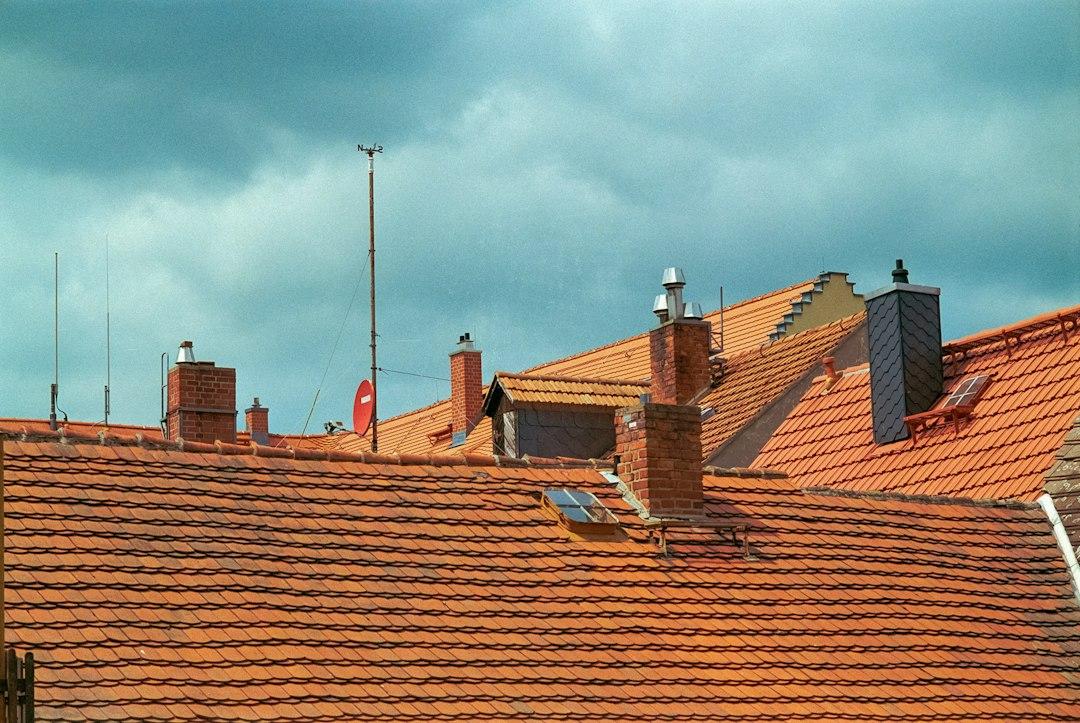
On a dry October night in La Canada Flintridge, wind coming down off the San Gabriels can carry burning bark and leaf a long way past the fire that made it. Every opening on a roof is somewhere for that debris to land. A chimney without a screened top is the widest opening most houses have: a straight shaft from the sky to the living room, lined with soot that will smolder if something hot drops onto it.
The top matters in the other direction as well. When the fireplace is lit, small embers ride the draft upward. A screen catches them before they reach dry needles in the gutter or the brush on the slope behind the house. That double job is what we price here: keep outside fire out of the flue, and keep the fireplace's own sparks inside it.
What sets the cap price
At Abernathy Chimney Care a chimney cap, installed, is quoted after we measure. Size, metal and the number of flues set the price. The quote covers the flue measurement, the cap itself, fixing it down so a Santa Ana gust cannot lift it, and a look at the crown it sits on.
A single-flue brick chimney on a one-story ranch house is the simplest job. The price goes up for jobs that take more metal or more care:
- a crown carrying two or three flues, where one wide cap has to span all of them;
- an odd-shaped chimney top that needs a cap made to its measurements;
- copper rather than stainless;
- a tall stack on a steep second-story roof, where the ladder work takes longer than the fitting.
We tell you which of these applies before you approve anything, so the figure on the invoice is the one you agreed to.
Caps we refuse to fit
Some caps cost less than ours for a reason. Three kinds come off foothill roofs on a regular basis.
Mesh that is too fine. Insect screen looks neat and clogs with soot in a single winter. A blocked screen chokes the draft, smoke turns back into the room, and the fire burns dirty, which adds more tar to the flue.
Mesh that is too open, or has rusted open. A screen with gaps wider than the code allows, or one rotted through at the corners, lets embers out. From the sidewalk it still looks like a cap.
A cap held on by its own weight. Set loose on the tile and never fastened, it is the first thing the wind takes. Once it is lying in the side yard, the flue stays open for the rest of the season and nobody notices until spring.
Every cap we fit is stainless or copper, sized to the flue it covers, carries a screen the code accepts, and is fastened to the tile or the crown.
Houses that should book before the dry months
The fire calendar sets the order. Ask for a cap visit early if any of these describes your house:
- there is no cap at all, or you cannot tell from the ground;
- the cap you have is galvanized and older than the exterior paint;
- the lot backs onto brush, a canyon or the forest edge;
- you burn wood in winter and nobody has ever brushed the screen;
- your insurer has asked about vents and openings on the roof.
If a fire has already come close and ash fell on the roof, get the top checked before the fireplace is lit again. Burnt leaves and ash can sit on the smoke shelf where no one sees them.
What fixes your number
Three facts set your cap price: how many flues the crown carries, the shape and state of the crown, and how hard the roof is to stand on. A crown that has cracked through needs attention before any cap goes on, because a cap anchored to loose mortar will not stay. Crown work carries its own written figure and is never folded into the cap price without telling you.
For a firm number, fill in the quote form with the address, how many chimneys rise through the roof and whether each fireplace burns logs or gas. We call back to set a visit, measure, and give the price in writing before anything is ordered.
Wood or gas changes what goes on top
A flue serving only a gas appliance has no spark problem in the way a wood flue does, but it still needs a top that blocks rain, birds and blown debris without choking the exhaust. Many gas units name the exact termination they require. If your fireplace was converted from logs to gas, mention it when you book, because the right top follows whatever now sits at the bottom of the flue.
The rest of the chimney top
A cap is one piece of a larger picture. With the ladder already up, we look at the crown, the metal where the chimney meets the roof, and the brick above the roofline. Anything that needs work goes on paper as its own line, with our published figure where one exists. Finding and stopping a leak, for example, runs $580 to $3,500 depending on where the water enters, and a diverter roof to split runoff above a broad chimney is priced separately again. You decide what to do and in which order.
If you want the whole chimney looked at rather than the top alone, a chimney inspection fits on the same visit. A Level 1 is $57. If the flue has not been brushed in a while, our post on sweep pricing for foothill homes covers that job, and a sweep clears the cap screen too. The cap installation page lists what the fitting includes.
Where we fit caps
We work in La Canada Flintridge and across Glendale, Los Angeles and Santa Clarita. Foothill streets call first every autumn, so asking earlier in the year gives you more choice of visit times.
Before the wind turns
A screened, fastened cap is one of the smaller jobs on a house and one of the few that works every single night of fire season. When you are ready, start on the contact page: name the street and the chimney, and we will take it from there.
Is Your Chimney Ready for the Dry Months?
Abernathy sweeps flues, fits ember screen caps and inspects the crown and damper, with a photo report after every visit. We work from La Canada Flintridge for houses in Glendale, Los Angeles, Santa Clarita and the towns around them.